transformation program
Through its Council of Ministers of Environmental Sustainability COM:ES, the Organization of Eastern Caribbean States (OECS) and its 12 members are advancing a unified approach to achieving the Global Biodiversity Framework (GBF) targets — protecting ecosystems, mitigating climate change, and unlocking socio-economic opportunities by 2030.
Our Focus
Six Global Biodiversity Framework targets are being consistently assessed across all OECS Member States — marking the first coordinated regional effort of its kind.
Halt biodiversity loss, especially in areas of high ecological value
Restore 30% of degraded ecosystems across terrestrial and marine landscapes
Conserve at least 30% of terrestrial, freshwater, and marine habitats.
Prevent extinction of endangered and at-risk species
Integrate biodiversity into national policies, regulations, and planning
Mobilize and expand sustainable financing from all available sources.
Our Impact

To meet these ambitious goals, the program drives transformation across three key areas of work:

Spatial Planning
Coordinated marine, freshwater, and terrestrial planning to balance conservation and development
Financing for Nature
Unlocking innovative mechanisms to fund biodiversity protection and climate adaptation
Sustainable Economic Development
Fostering inclusive, nature-positive growth that benefits people and ecosystems alike
Member States lead the process  supported by the OECS Regional Conservation Center, whose
mission is to empower national efforts through regional coordination, financing, and advocacy.
Our Values

The natural wealth of the OECS region
is extraordinary — and vital to its people.

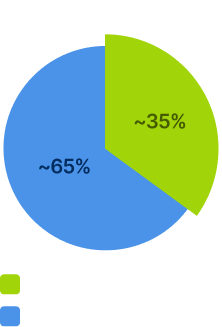
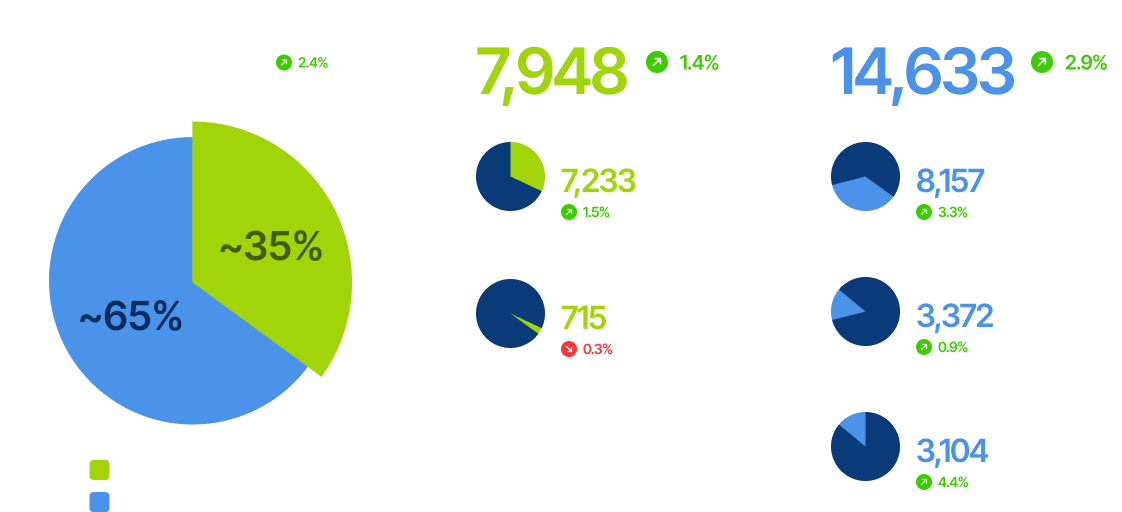
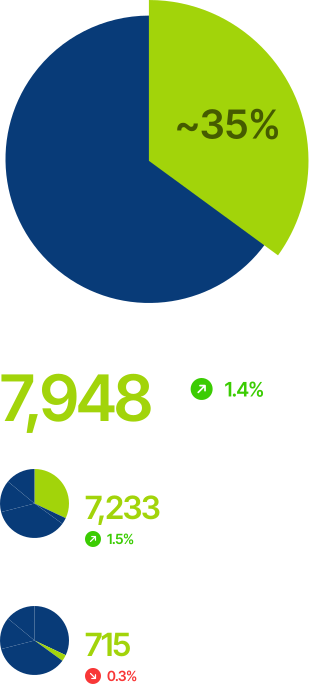
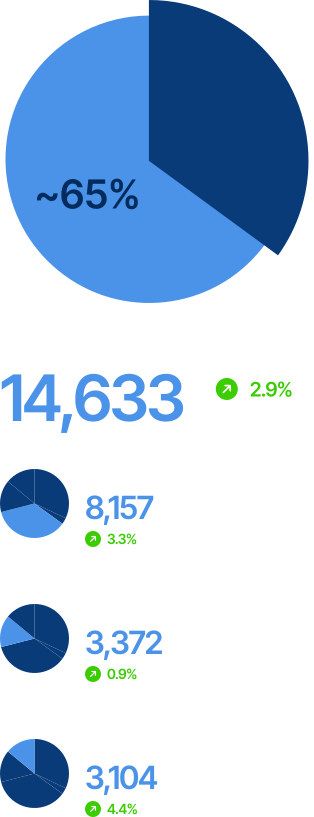
~35%
GDP in OECS Member States is directly influenced by environmental conservation, particularly through the blue and green economy sectors.
View Full Data ↓
13,000+
In the Eastern Caribbean, there are over 13 thousand plant species and 50% found on single islands are endemic.
600
bird Species of which 160 species are endemic. 94% of the estimated 500 reptile species are classified as endemic and a growing number of fungi and other microorganisms are being discovered in the region.
500+
coral reefs across the Eastern Caribbean support 500+ fish species and 60 species of coral — forming one of the most productive ecosystems globally.
7%
of the world’s coral reefs, spanning roughly 20,000 miles, surround the Eastern Caribbean islands and coastal zones of Central America.

Our Legacy

A Legacy of Environmental Leadership

The OECS region has long been a global leader in biodiversity governance, aligning national efforts with multilateral frameworks:
All Member States are Parties to the Convention on Biological Diversity (CBD), joining as early as 1993.
Many have since adopted the Cartagena Protocol on Biosafety (2001–2005) and the Nagoya Protocol on Access and Benefit-Sharing (2016–2022).
The St. George’s Declaration (2001, updated 2020) provides a shared foundation for environmental sustainability.
Ongoing collaborations — including with the IUCN and through the OECS Biodiversity and Ecosystems Management Framework (BEF), reinforce the region’s multilateral commitment.

Confronting Today’s Challenges

As part of the analysis conducted by the 30 by 30 conservation program, several challenges were identified through geo spatial and economic studying:
Rapid infrastructure and tourism expansion driving land clearing
Urban runoff introduces pollutants, sewage, and plastics into ecosystems.
Freshwater disruptions altering mangrove salinity and habitat health.
Sargassum blooms depleting oxygen and causing socio-economic strain
Agricultural runoff fuels eutrophication and sedimentation in coastal waters.

Key quantitative data include:

2/3
Over two thirds of tree cover loss in the period 2005-2020 is driven by urban expansion across the OECS
31%
31% of tree cover loss has occurred inside protected areas (after designation), mostly driven by urbanization (73%)
~70%
There are variable levels of pressures faced by protected marine habitats; ~70% of OECS protected marine habitats face moderate to high pressures from vessel activity or sediment and nutrient run-off.
Our Initiatives

Turning Vision into Action

To address these challenges, the program is advancing nine flagship initiatives linked to GBF targets — each designed to generate tangible socio-economic and ecological impact.
~130-140M
Marine and Coastal Conservation
Protect an additional ~8,000 kha to achieve 30% protection of marine and coastal ecosystems including mangroves and coral reefs
~20-30M
Protected Area Management and Ecosystem Resilience
100% of Key Biodiversity Areas under strict protection with 10kha of forest restored
~25-35M
Integrated Land-use Planning
Implement land-use zoning to balance conservation with sustainable development and community safety
~1-2M
Regional Conservation Center
Invest in the Regional Conservation Hub (RCH) to continuously support and scale access to sustainable financing mechanisms
~1-2M
Regional Green Bond
Develop a regional green bond to fund environmental projects and benefit from the 'greenium'
~1-2M
Sustainable Finance Roadmap
Create a Center of Excellence within the RCH to scale and streamline access to financial instruments
~2-3M
Sargassum Regional Strategy
Unlock opportunities for circular sargassum economy to process up to 100,000 tons per year
~3-4M
Biodiversity enhancement in Food Systems
Increase regional agricultural productivity and output to reduce dependency on imports
~0-1M
Nature based tourism
Increase average spend per tourist by ~20% to build domestic tourism ecosystem (e.g., parks)
Achieving this vision will require an estimated
USD 200 million
in catalytic investment
This commitment will yield transformative benefits for both people and planet across the Eastern Caribbean